
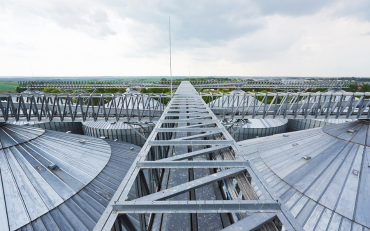
Steel plays a vital role in supporting the global energy sector, providing the strength, durability, and reliability required for critical infrastructure. From oil and gas operations to renewable energy projects, steel materials are essential for ensuring efficient energy production, transportation, and distribution. Their ability to withstand extreme temperatures, pressure, and environmental conditions makes them indispensable in modern energy industries.
Explore how high-quality steel materials support the efficiency, safety, and durability of modern energy projects. From oil and gas infrastructure to renewable energy installations, advanced steel solutions provide the strength and reliability needed for long-term performance in demanding operating environments.
Energy projects operate in demanding environments where materials must deliver long-term performance and safety. Steel is widely used because of its high strength, corrosion resistance, and adaptability to various industrial requirements. Whether in offshore platforms, pipelines, power plants, or renewable energy installations, steel provides the structural integrity needed for reliable operations.
The oil and gas sector relies heavily on steel products for exploration, extraction, processing, and transportation. Steel pipes, fittings, valves, and structural components are designed to withstand high-pressure conditions and harsh operating environments. High-quality steel materials help prevent failures, reduce maintenance requirements, and improve operational efficiency across the entire supply chain.
As the world shifts toward sustainable energy sources, steel continues to play a crucial role in renewable energy infrastructure. Wind turbine towers, solar panel mounting systems, and hydroelectric facilities all depend on durable steel components. Advanced steel solutions provide the strength and longevity required to support clean energy projects while minimizing maintenance costs.
Modern steel manufacturing technologies have led to the development of high-performance materials with enhanced corrosion resistance, improved strength, and greater durability. These innovations enable energy companies to operate more efficiently while extending the lifespan of critical equipment and infrastructure.
Using premium steel products in energy applications offers several advantages, including improved safety, enhanced reliability, reduced downtime, and lower lifecycle costs. High-quality steel materials also contribute to sustainable operations by supporting long-term performance and reducing the need for frequent replacements.
Steel remains a cornerstone of modern energy industries, supporting both traditional and renewable energy sectors. Its strength, durability, and adaptability make it an essential material for critical infrastructure and industrial operations. By investing in high-quality steel solutions, energy companies can improve efficiency, ensure safety, and build resilient systems that meet the demands of the future.