Industrial steel pipes play a crucial role in transporting liquids, gases, and other materials across various industries. Their performance and reliability directly impact operational efficiency and safety. Regular maintenance and timely inspections are essential to keep steel piping systems in optimal condition, prevent unexpected failures, and extend their service life.
Regular inspection and proper maintenance are key to keeping industrial steel pipes in excellent condition. By preventing corrosion, identifying issues early, and ensuring optimal performance, effective maintenance practices help extend pipe lifespan, improve safety, and reduce operational costs.
Steel pipes are often exposed to harsh operating conditions, including high pressure, temperature fluctuations, moisture, and corrosive substances. Without proper maintenance, these factors can lead to corrosion, leaks, blockages, and structural damage. A proactive maintenance approach helps identify potential issues early and reduces costly repairs and downtime.
Routine visual and technical inspections help detect signs of wear, corrosion, cracks, or leaks before they become serious problems. Regular monitoring ensures that any damage is addressed promptly, maintaining system reliability.
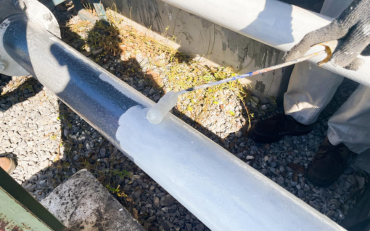
Corrosion is one of the most common causes of steel pipe deterioration. Inspect pipes for rust formation and apply protective coatings or treatments when necessary. Corrosion-resistant materials and coatings can significantly improve pipe longevity.
Over time, debris, scale, and sediment can accumulate inside pipes, reducing flow efficiency and increasing operational stress. Periodic cleaning helps maintain smooth flow and prevents blockages that can affect system performance.
Pipe joints, fittings, and connections should be inspected regularly to ensure they remain secure and leak-free. Tightening loose connections and replacing damaged components can prevent costly system failures.
Protective coatings serve as a barrier against environmental damage and corrosion. Regularly inspecting and repairing damaged coatings helps preserve the integrity of steel pipes and reduces maintenance costs.
Maintaining pipes within their designed pressure and temperature limits helps prevent excessive stress and premature wear. Monitoring operating conditions can improve safety and extend equipment lifespan.
Regular maintenance improves system reliability, reduces repair costs, minimizes downtime, enhances safety, and extends the service life of industrial steel pipes. Well-maintained piping systems also contribute to greater operational efficiency and long-term cost savings.
Proper maintenance is essential for ensuring the performance and longevity of industrial steel pipes. Through regular inspections, corrosion control, cleaning, and monitoring of operating conditions, businesses can prevent failures and maintain safe, efficient operations. Investing in a proactive maintenance strategy helps maximize the value and lifespan of steel piping systems.