
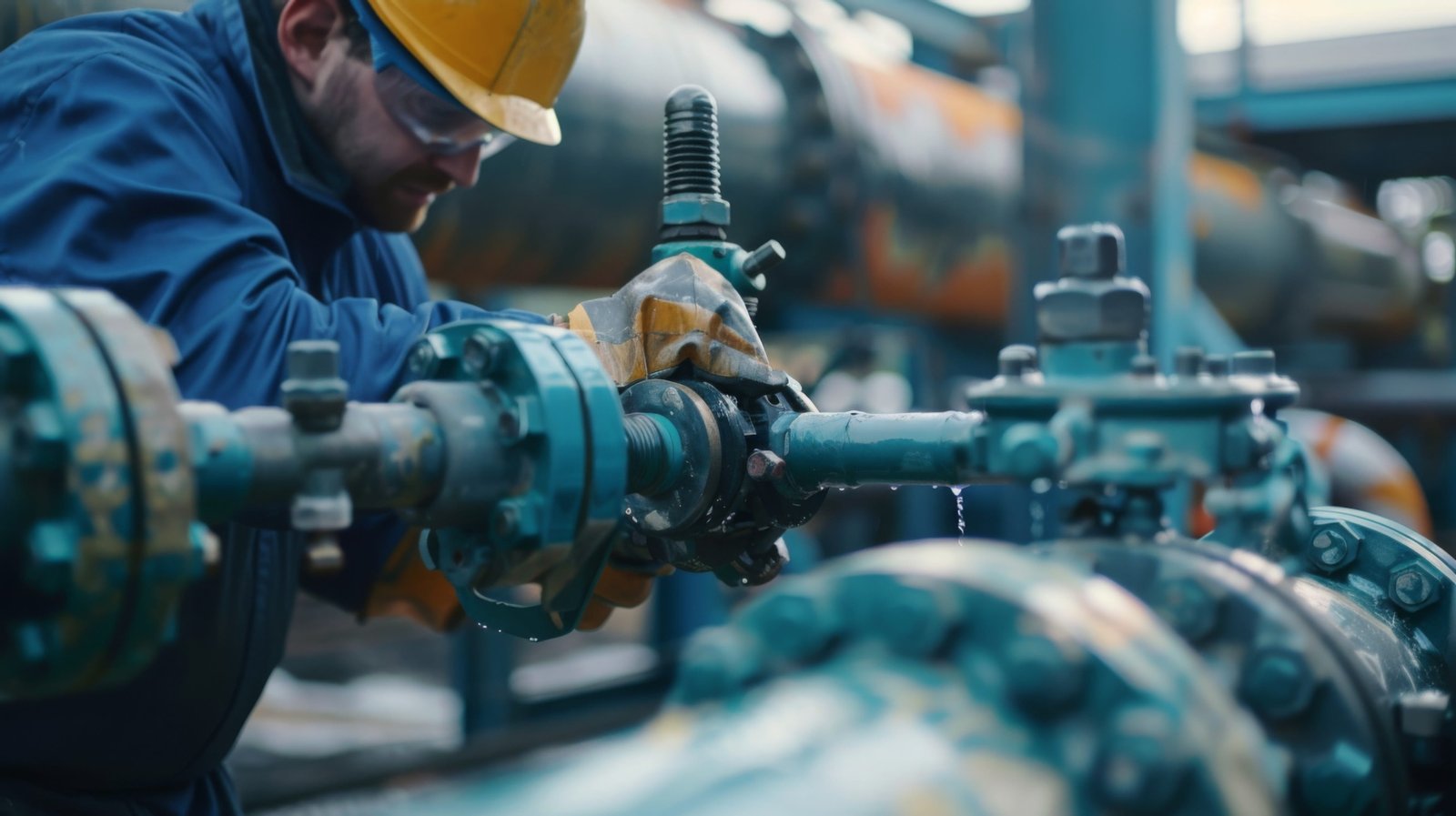
Steel pipes play a vital role in industrial infrastructure, supporting the transportation of liquids, gases, and other materials across sectors such as construction, manufacturing, oil and gas, and power generation. Choosing the right steel pipe is essential for ensuring efficiency, safety, and long-term performance.
Discover how the right steel pipe selection can improve operational efficiency, withstand demanding conditions, and deliver long-lasting performance across industrial applications.
Steel pipes are valued for their strength, durability, and ability to withstand high pressure, extreme temperatures, and demanding operating conditions. Their versatility and wide range of specifications make them suitable for various industrial applications.
Additionally, steel pipes can be manufactured in a wide range of sizes, grades, and specifications, allowing businesses to choose solutions tailored to their specific operational requirements.
Understanding the intended use is the first step in selecting the right steel pipe. Factors such as operating environment, pressure levels, temperature, and the type of material being transported should be carefully evaluated.
Steel pipes are available in different materials, including carbon steel, stainless steel, and alloy steel. Each offers unique advantages, from affordability and strength to corrosion resistance and high-temperature performance. Selecting the appropriate material ensures durability and reliable operation.
Industries handling corrosive substances or operating in harsh environments should choose pipes with enhanced corrosion resistance to minimize maintenance costs and extend service life.
Proper pipe dimensions are crucial for maintaining flow efficiency and structural integrity. Selecting the correct size and wall thickness helps optimize performance and safety.
Always choose steel pipes that comply with recognized industry standards such as ASTM, API, ASME, or ISO to ensure quality, reliability, and safety.
Selecting the right steel pipes involves evaluating application requirements, material properties, corrosion resistance, and industry standards. Making the right choice helps improve operational efficiency, reduce maintenance costs, and ensure long-lasting industrial performance.