
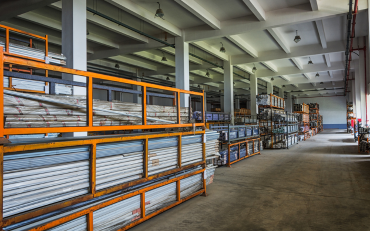
Steel panels are widely used in industrial and structural projects due to their strength, durability, and versatility. From warehouses and manufacturing facilities to commercial buildings and infrastructure projects, steel panels provide reliable protection and structural support. Choosing the right steel panels is essential to ensure long-term performance, resistance to environmental conditions, and cost-effective operation.
Learn how selecting the right steel panels can enhance durability, corrosion resistance, and structural performance in industrial applications. High-quality steel panels provide reliable protection, reduce maintenance requirements, and ensure long-lasting performance in demanding environments.
Industrial environments often expose building materials to heavy loads, moisture, chemicals, and fluctuating temperatures. Steel panels are designed to withstand these challenges while maintaining their structural integrity. Their durability and low maintenance requirements make them a preferred choice for a wide range of industrial applications.
The intended use of the steel panels should be the primary consideration. Different applications, such as roofing, wall cladding, partitions, or structural enclosures, require panels with specific properties and performance characteristics.
The quality of steel used in the panels directly impacts durability and strength. High-grade steel panels offer better resistance to wear, impact, and environmental stress, ensuring reliable long-term performance.
For industries operating in humid, coastal, or chemical-rich environments, corrosion resistance is critical. Galvanized and coated steel panels provide added protection against rust and deterioration, helping extend the service life of the structure.
Steel panel thickness should be selected based on the structural and operational demands of the project. Thicker panels generally offer greater strength and durability, making them suitable for heavy-duty industrial applications.
Selecting steel panels with protective coatings and high-quality finishes can reduce maintenance requirements and improve long-term performance. Durable panels help minimize repair costs and downtime.
Using suitable steel panels offers several advantages, including enhanced structural strength, improved corrosion resistance, reduced maintenance costs, increased safety, and longer service life. These benefits contribute to greater operational efficiency and overall project reliability.
Selecting the right steel panels for industrial applications requires careful consideration of material quality, corrosion resistance, strength, and intended use. High-quality steel panels provide the durability and performance needed to withstand demanding industrial conditions while supporting long-term structural integrity. Investing in the right solution ensures reliable operation, lower maintenance costs, and lasting value for industrial and structural projects.